
Building a successful ecommerce business traditionally requires significant upfront investment to purchase and store products. You have to rent warehouse space, hire staff to pack boxes, and manage complex shipping logistics. This barrier to entry keeps many talented entrepreneurs from launching their own digital storefronts. Dropshipping offers a compelling alternative to that traditional model.
Dropshipping allows you to test new markets and launch products with minimal financial risk. You can focus your energy on customer acquisition and building a strong brand identity rather than worrying about boxes and packing tape. By outsourcing the heavy lifting of physical logistics, you free up your team to scale operations faster and more intelligently.

What Is Dropshipping?
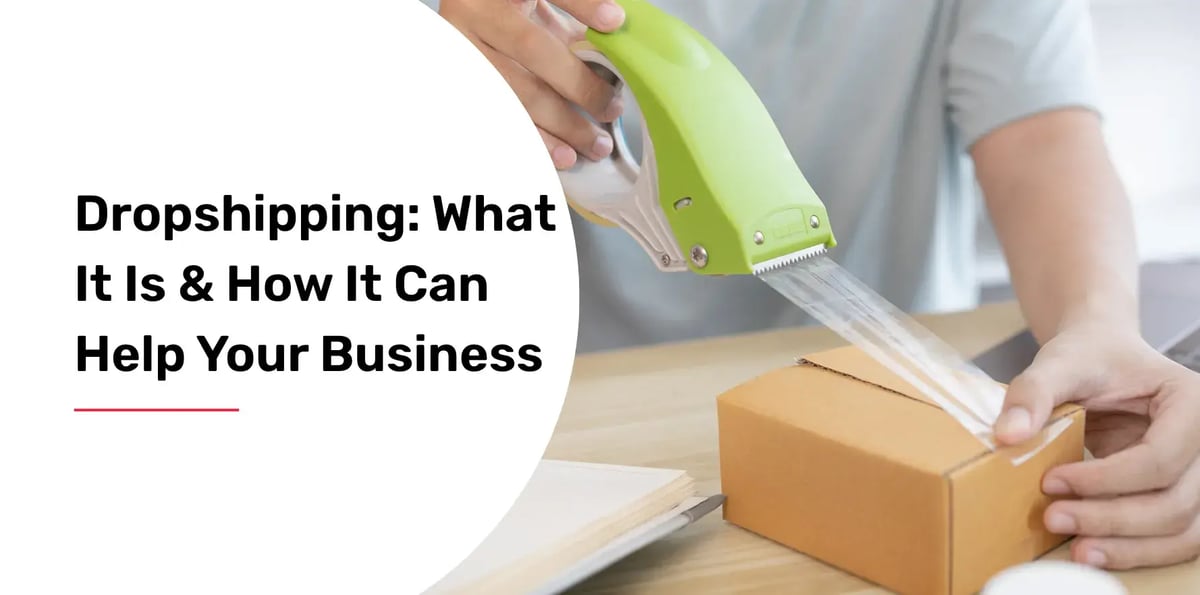
Dropshipping is an ecommerce fulfillment model where an online store sells products without holding inventory, relying instead on third-party suppliers to ship items directly to customers. When a buyer makes a purchase on your website, you automatically forward the order details to your supplier. That supplier then packages the item and sends it straight to the buyer's door.
How the Direct Shipping and Order Fulfillment Process Works
The beauty of this setup lies in how simple it is. You act as the digital middleman between the manufacturer and the final consumer. Because you use direct shipping, you never actually touch the products you sell. Your main job is to create a compelling online storefront and drive targeted traffic to your product pages.
The order fulfillment process happens entirely behind the scenes, meaning that you can run your entire operation from a laptop anywhere in the world. This hands-off approach makes it a highly attractive option for those looking to build a more flexible company.
Analyzing Expected Margins and Initial Startup Costs
While the barrier to entry is very low, you need to make sure that you understand the financial realities of this model. Since you are not buying in bulk, your cost per item is higher than a traditional retailer. This means that your profit margins are generally slimmer, often landing between 15 and 20 percent.
Additionally, you will still need to invest money upfront to get your startup business off the ground. You should budget for website hosting, domain registration, and initial advertising campaigns. Treating this as a get-rich-quick scheme or guaranteed passive income is a mistake. It requires real work and strategic financial planning to become profitable.
Building Your Startup Business: Platforms and Sourcing
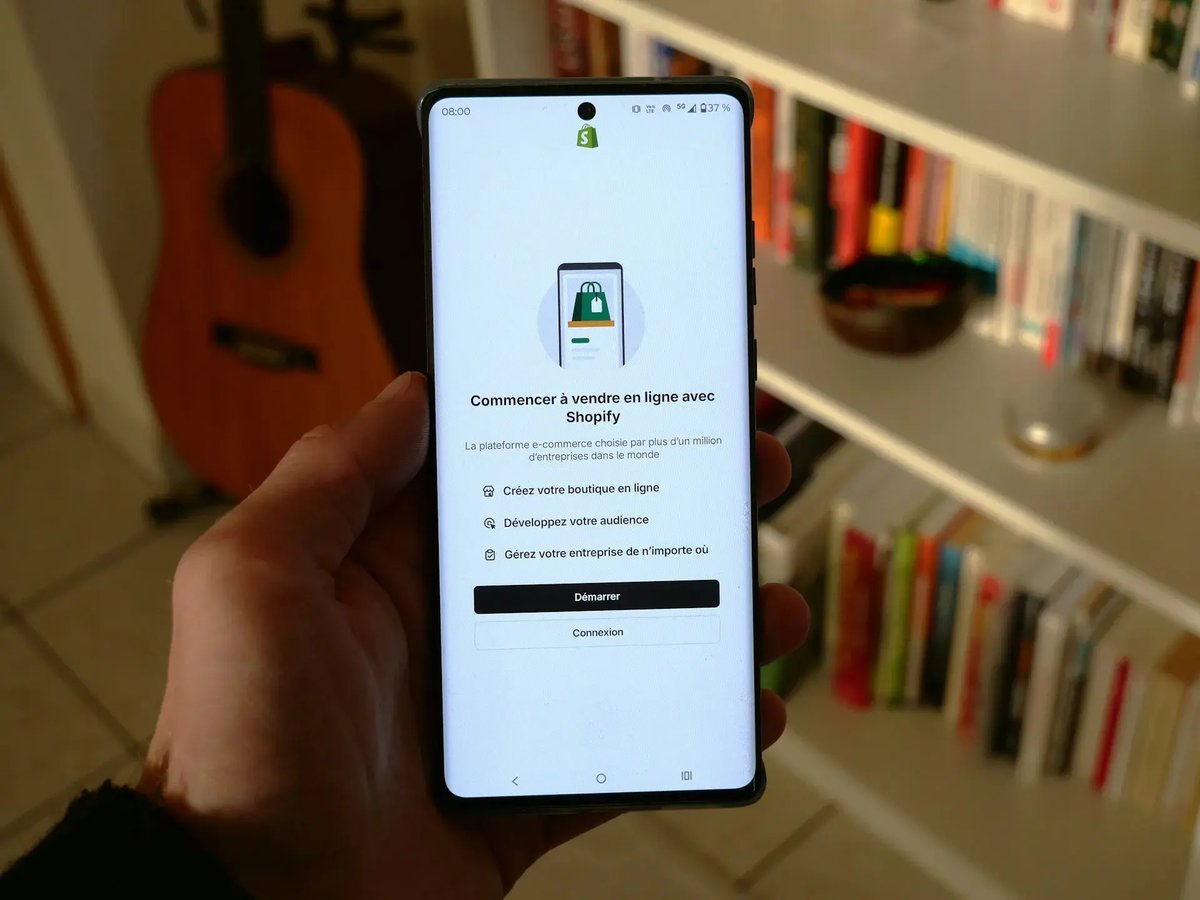
Setting up the technical infrastructure for your store is the first major hurdle you will cross. You need a reliable ecommerce platform that handles transactions securely and integrates easily with various supplier networks. Choosing the right software stack early on saves you massive headaches down the line.
Choosing Between Shopify Dropshipping and WooCommerce
The market offers several powerful tools to build your digital storefront. Two of the most popular options are Shopify and WooCommerce, each serving different technical needs.
Shopify dropshipping has grown in popularity due to its all-in-one hosted solution that comes with top-notch customer support. It is easy to use but comes with monthly fees and limited customization. WooCommerce is a free plugin for WordPress that gives you total control over your website's code and design. The tradeoff is that you need to manage your own hosting, security, and updates. Your choice relies heavily on your team's technical expertise and your available budget.
Selecting Reliable Suppliers for Product Sourcing
Your supplier is your most critical business partner. If they ship late, send damaged goods, or use poor packaging, your brand takes the hit. Effective product sourcing requires vetting multiple vendors before you list a single item on your site. Supplier management is an ongoing process of quality control.
You should order test products from every potential supplier to check their shipping times and product quality firsthand. Building a strong relationship with a reliable manufacturer guarantees that your customers receive exactly what they expect when they place an order.
Executing a High-ROI Ecommerce Marketing Strategy
Having a beautiful website means nothing if nobody visits it. A targeted ecommerce marketing strategy is what separates profitable stores from those that fail in their first year. You need to find the exact people who need your product and present it to them in a compelling manner. Digital entrepreneurship relies on capturing attention efficiently.
Identifying Profitable Niches and Trending Products
You cannot compete with giant retailers like Amazon on shipping speed or raw pricing. You win by identifying hyper-specific niches and selling products that solve a clear, immediate problem for a dedicated audience.
Use social media listening tools and keyword research to spot emerging trends before they become mainstream. Selling a unique, highly targeted item allows you to charge a premium price and build a loyal community around your brand.
Scaling Your Online Store Through Paid and Organic Ads
Driving traffic requires a mix of immediate action and long-term planning. You can use several different channels to attract buyers to your website. Here are the most effective ways to generate traffic:
- Run targeted video ads on social media platforms to show your product in action.
- Partner with micro-influencers who have high engagement rates within your specific niche.
- Publish high-quality blog posts to capture organic search traffic over time.
- Gather email addresses and send weekly newsletters featuring new products and discounts.
Combining these tactics creates a sustainable loop of new visitors and returning buyers. Also, always track your return on ad spend so you know exactly which channels generate the most profit.
Legal Considerations and Inventory Management
Running a dropshipping business without holding physical stock removes a lot of stress, but it introduces new operational complexities. You still have to manage the financial and legal realities of selling physical goods to consumers. A solid inventory management system prevents you from selling out-of-stock items and frustrating your buyers.
Managing Customer Returns and Supplier Liability
When a customer wants a refund, the process can get complicated quickly. Some suppliers refuse to accept returns unless the item is completely defective. Thus, it is important to create a crystal-clear return policy on your website so buyers know exactly what to expect. In many cases, it is cheaper to simply refund the customer and let them keep the item rather than paying for return international shipping.
Business Licensing and Ecommerce Sales Tax
You are running a real online business, which means that you must follow local laws and tax regulations. Depending on where you live and where your customers are located, you may need a specific business license to operate legally. You are also responsible for collecting and remitting retail fulfillment sales tax in jurisdictions where you have an economic tie. Consulting with a qualified accountant early on will keep you out of legal trouble.
How Has the Dropshipping Landscape Changed in 2026?
The market looks very different today than it did five years ago. Consumers expect faster shipping times, higher quality products, and total transparency from the brands they support. The days of putting together a cheap website and running generic ads are over.
The Role of AI in Ecommerce
Artificial intelligence is completely reshaping how store owners operate. Tools can now write your product descriptions, optimize your ad targeting, and even handle basic customer service inquiries through chatbots.
While AI tools drastically speed up your workflow, they can also make your brand sound robotic and impersonal if overused. You still need human oversight to maintain a genuine connection with your audience and catch mistakes that software might miss. AI is a powerful assistant, but it cannot replace genuine strategic thinking.
Best Practices Going Forward
Building a sustainable dropshipping operation takes time, patience, and a willingness to adapt. You will face unexpected challenges with suppliers, ad accounts, and shifting consumer trends. Maintaining a focus on the customer experience is the only way to survive in a crowded market.
Always prioritize selling high-quality items over chasing quick profits with cheap goods. Communicate proactively with your buyers if a shipment is delayed, and remember that by treating your storefront like a long-term brand rather than a short-term hustle, you set yourself up for lasting financial success.

Marina Sala
AI-Driven Business Digital Strategy Consultant at Cyberclick. Expert in ecommerce, user experience (UX), inbound marketing and CRO strategies focused on maximising conversions. She helps companies integrate AI into their business and make better digital decisions to drive growth and efficiency.
Leave your comment and join the conversation