
AI influencers, also known as virtual influencers, are computer-generated characters driven by artificial intelligence and managed by digital marketing teams to promote brands, engage audiences, and drive revenue across social media platforms. They have names, backstories, and consistent personalities, and to a scrolling audience, many are difficult to tell apart from a real person.
The category has moved from a novelty into a real budget line. Industry estimates put the virtual influencer market into the tens of billions by 2030, and brands including Prada, Calvin Klein, and Samsung have all signed deals with virtual creators.

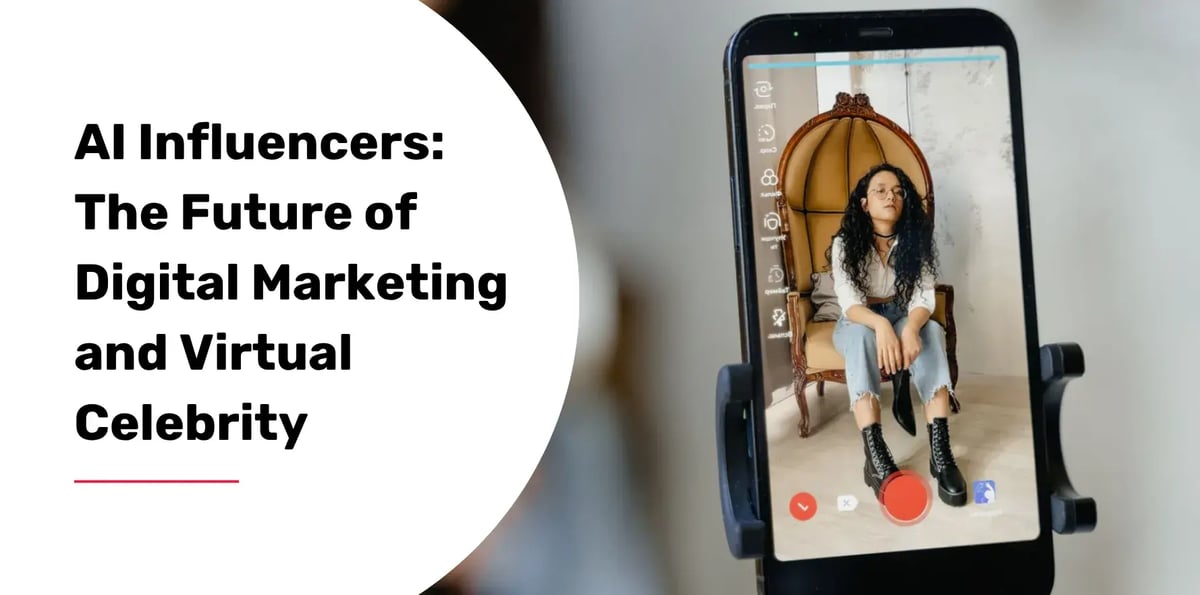
The Mechanics Behind AI Content Creation
An AI influencer isn't autonomous. Behind every post is a person or a small team making creative and strategic decisions.
Utilizing Advanced Image and Video Generation Tools
Most virtual influencers start with tools like Midjourney or Stable Diffusion for image generation, sometimes paired with face-consistency tools that keep the same character recognizable across different poses and outfits. Higher-budget operations use custom 3D rendering instead, which costs more upfront but produces a more consistent character across formats, including video.
Managing Persona, Voice, and 24/7 Community Engagement
Once the visuals exist, a real team writes captions in the character's voice, responds to comments, and negotiates brand deals on the character's behalf. That community management workload doesn't disappear just because the face isn't real. If anything, an always-on virtual persona raises audience expectations for a fast, in-character reply.
Top AI Avatars Dominating the Creator Economy
Independent Digital Creators (e.g., Lil Miquela and Aitana López)
Lil Miquela launched in 2016 and became the template for the category, landing campaigns with Prada, Calvin Klein, and BMW while charging an estimated $7,500 to $10,000 per sponsored post. Aitana López followed a different path into existence: her Barcelona-based creative agency, The Clueless, built her after struggling to work with unreliable human talent, and she now earns up to €10,000 a month in brand deals.
In-House Virtual Brand Ambassadors (e.g., Lu do Magalu)
Lu do Magalu started as a YouTube character explaining tech products for Brazilian retailer Magazine Luiza and grew into a full digital personality with millions of followers and an estimated $21,000 price tag per sponsored post, making her one of the most-followed virtual influencers in the world. Unlike an independent creator, Lu exists entirely to serve one brand's content and commerce strategy.
Why Brands Are Shifting to Synthetic Media
Slashing Campaign Costs and Production Timelines
A traditional influencer photoshoot can run $20,000 to $70,000 once you account for talent, styling, and location. A virtual influencer campaign skips most of that, and reporting on the space puts AI-led campaigns at roughly half the cost of a comparable human-led promotion. That math is a big part of why the category keeps growing even amid scrutiny.
Gaining Total Creative Control and Eliminating Human PR Risks
A virtual influencer doesn't miss a shoot, ask for a bigger fee mid-campaign, or post something off-brand at 2 a.m. Every asset can be resized, translated, and reused indefinitely without renegotiating a contract, which is a meaningfully different risk profile than working with a human talent whose off-camera life is outside a brand's control.
Navigating the Ethics of AI Marketing
The Growing Demand for Transparency in Influencer Marketing
A Guardian investigation in mid-2026 found brands running AI-generated influencer content styled to look like genuine customer testimonials, in some cases asking the creators behind the accounts to sign non-disclosure agreements about the work. The regulatory response is still uneven:
- The EU's AI Act will require labeling of AI-generated or manipulated content starting in August 2026, though that rule won't extend to the UK.
- The UK currently has no specific law requiring brands to disclose AI-generated advertising content.
- In the US, the FTC already requires the same "clear and conspicuous" disclosure rules for AI-generated influencers as for human ones, and a bill called the NO FAKES Act has advanced through the Senate Judiciary Committee to create federal protections for a person's voice and likeness.
Balancing Authentic Customer Experiences with Generated Content
The strongest argument against undisclosed AI influencer content isn't legal, it's practical: audiences that discover they were misled about a "genuine" testimonial don't just distrust that one post, they discount everything else the brand says. Disclosing the AI nature of a partnership upfront costs a brand very little and protects the trust that makes any influencer campaign, human or synthetic, actually work.
Final Thoughts
AI influencers aren't a replacement for every human creator relationship, but they've become a real option in the marketing mix, one that's cheaper to scale and easier to control than traditional talent. The brands getting the most out of the category treat disclosure as part of the strategy rather than a legal afterthought, since a synthetic creator that's upfront about what it is can still build real audience trust. The ones getting burned are the ones betting that nobody notices.


Marina Avilés
Leave your comment and join the conversation