
In digital marketing, where attention is measured in seconds, design trends are more than aesthetic shifts—they’re strategic tools for standing out. One of the latest movements reshaping visual communication is glassmorphism, a sleek, translucent design style that mimics the texture and depth of frosted glass. Its subtle layers, light blurs, and transparency effects bring a modern, multidimensional feel to ad creatives, landing pages, and social content.
Glassmorphism is redefining how brands express clarity, sophistication, and innovation through visual identity. By combining visual depth with minimalist elegance, it allows marketing teams to create ads that feel both futuristic and intuitive. When applied effectively across social platforms, this design language helps elevate brand storytelling, transforming ordinary visuals into striking experiences that capture attention and convey premium quality at a glance.

Characteristics of Glassmorphism in Marketing
At its core, glassmorphism combines transparency, layering, and light to create a floating, glass-like effect. This design technique balances clarity and depth, helping brands highlight essential elements while maintaining a sense of sophistication. When used in marketing design, it subtly directs the viewer’s focus toward calls to action, product visuals, or headlines without overwhelming the composition.
Glassmorphism relies on semi-transparent layers and blurred backgrounds that simulate frosted glass. This not only introduces dimensionality but also enhances hierarchy between elements. In ad creatives, translucent panels make buttons or text stand out against dynamic imagery, improving usability and engagement rates. The interplay of light and shadow gives realism and harmony, making the design particularly effective in social ads where subtle contrast can guide the viewer’s attention through the message.
Unlike skeuomorphism or flat design, glassmorphism embraces minimalism and elegance. Its clean aesthetic supports brand messages centered on innovation and clarity, values that resonate with digital audiences. Because it relies on contrast rather than complex graphics, this style adapts easily across devices and platforms, ensuring a consistent and premium visual marketing presence.
In marketing, glassmorphism isn’t just a visual choice, it’s a communication strategy that blends clarity, innovation, and emotion.
How to Use Glassmorphism in Marketing
Using glassmorphism effectively means striking a balance between innovation and functionality. When applied with purpose, this design approach enhances brand storytelling and strengthens your creative strategy.
Use glassmorphism to frame key elements such as CTAs, headlines, or product visuals. Translucent panels behind these focal points can make them pop while maintaining compositional balance. The result is a polished layout that directs the user’s eye naturally, improving ad recall and click-through rates in social media ads or advertising campaigns.
Pair transparency with vibrant backgrounds to bring dimension and vibrancy to your designs. Gradients and subtle motion effects amplify depth, especially in UI design. These techniques create a futuristic look that connects perfectly with brands positioned around innovation and digital sophistication.
Maintain accessibility by testing contrast and readability. Because glassmorphism uses translucency and blur, text clarity can sometimes be compromised. Ensuring strong contrast across devices helps maintain usability and brand consistency across social platforms.
Finally, align design with brand personality and measure performance through experimentation. The technique should complement your branding style, whether your brand identity is refined, bold, or tech-forward. Use insights from A/B tests (or better yet, evolve toward AI testing) to compare results and refine future creatives.
When thoughtfully applied, glassmorphism becomes more than a visual flourish, it’s a bridge between aesthetics and data-driven performance.
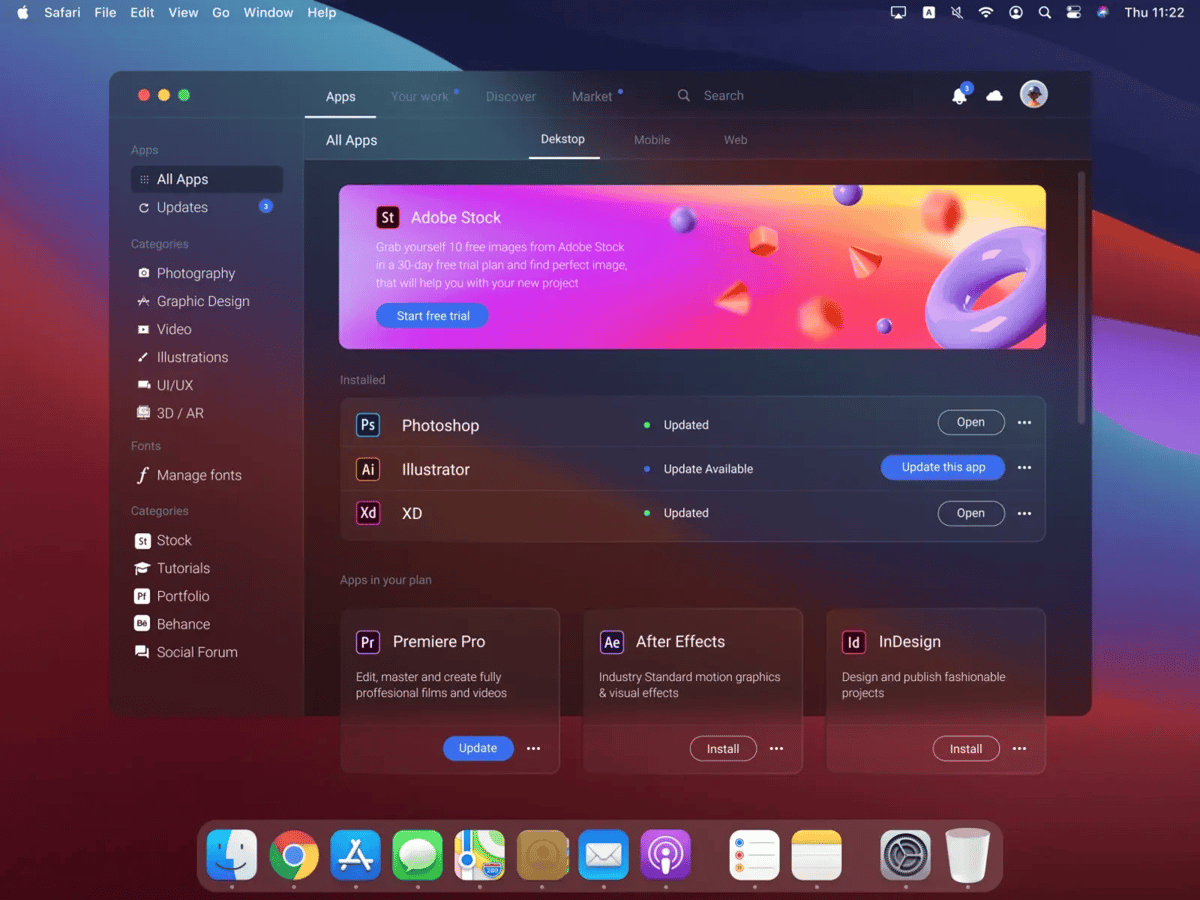
Example of glassmorphism. Source: breakfreegraphics.com
Effective Ad Creative Types per Platform
The success of glassmorphism depends not only on design execution but also on adapting it to each platform’s audience behavior and visual dynamics. Each social channel has its own rhythm, preferred formats, and visual language, meaning your creative strategy should flex accordingly.
1. Instagram and Facebook
These visually driven platforms are ideal for testing glassmorphic effects. On Instagram, translucent overlays can make Stories, carousel ads, and Reels feel refined and immersive. For Facebook, the style works well in static or short video ads, where frosted panels can highlight value propositions without overcrowding the visual space.
Tip: Use contrast and light gradients to make calls to action stand out, especially when competing with the platform’s busy visual feed.
2. LinkedIn
Professional networks like LinkedIn benefit from subtle, polished design. Glassmorphism here should emphasize credibility and innovation rather than extravagance. Try pairing translucent cards with solid backgrounds in sponsored content or carousel posts to showcase insights, data points, or case studies. This approach reinforces authority while maintaining a premium aesthetic suitable for B2B digital marketing audiences.
3. TikTok
Fast-paced, vertical storytelling calls for lightweight visuals and motion-based depth. Glassmorphism can enhance transitions or text overlays in short videos, adding a futuristic feel without interrupting the narrative. Keep the blur effect soft to maintain clarity when viewed on mobile screens.
Tip: Use animation tools to give glass-like panels a gentle floating motion, as it adds dimension while staying subtle.
4. X
Given its minimalist format, the use of glassmorphism on X should be restrained. Focus on header visuals or static ads, using subtle transparency to emphasize concise messages. The clean aesthetic aligns with the platform’s quick-consumption nature, making key insights stand out instantly.
5. YouTube and Video Ads
Video ads allow for dynamic layering and movement, ideal for showcasing modern design elements. Motion glass panels can be used to introduce scenes, display product features, or highlight CTAs. Brands can also apply the technique to opening or closing frames, creating a cohesive, premium finish that reinforces visual identity across campaigns.
Across all channels, glassmorphism helps unify a brand’s design language, ensuring every asset, from thumbnails to carousels, looks polished and cohesive. The key is to let the visual style complement storytelling rather than dominate it.
Best Social Media Marketing Practices
Integrating glassmorphism into your social media marketing strategy works best when design, storytelling, and analytics come together. It’s not about following trends, it’s about making creative decisions that serve performance and brand clarity.
Clarity must always come before complexity. The most effective visuals are those that guide the eye without confusing it. When layering transparency effects, make sure that text, CTAs, and logos remain sharp and legible on every device. In visual marketing, readability is directly tied to engagement and conversions.
Maintain brand consistency across platforms. Applying uniform colors, typefaces, and transparency ratios creates cohesion and strengthens recognition. It ensures your brand’s identity is unmistakable, whether in a short-form video or static ad.
Use data to refine creative choices. Tracking engagement, click-throughs, and scroll depth helps evaluate how glassmorphism performs versus other layouts. This is where creative experimentation meets science: combining design aesthetics with measurable impact is key to sustained success.
Finally, refresh designs regularly. Small tweaks in gradients or depth effects keep campaigns visually dynamic and prevent creative fatigue. By combining data insights, visual testing, and clear storytelling, you turn design into a measurable growth driver for your brand.
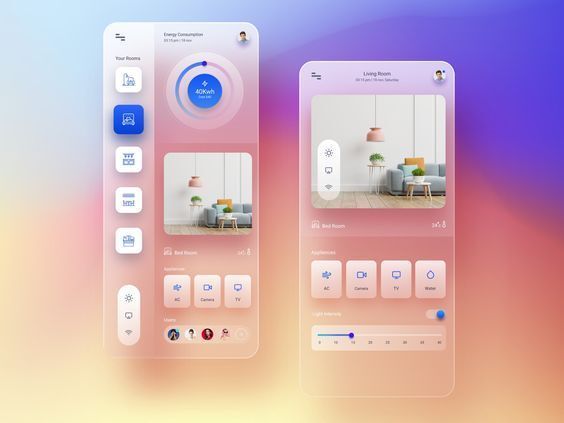
Example of glassmorphism. Source: @liyuluyue Pinterest
Final Thoughts
Glassmorphism represents more than a visual trend, it’s a bridge between creativity and strategy. In a digital landscape where audiences are saturated with content, design choices can determine whether your message is seen or scrolled past. This translucent, layered aesthetic captures attention through elegance and depth, transforming ads into experiences that feel modern, human, and high-value.
For marketing teams, the real opportunity lies in using glassmorphism to express clarity, innovation, and brand coherence across all touchpoints. From social ads and website interfaces to full-funnel creative campaigns, its adaptability makes it an excellent tool for maintaining consistency and emotional impact.
The key takeaway: treat glassmorphism not as decoration, but as a strategic element of your visual identity. When paired with data insights, storytelling, and an understanding of each platform’s behavior, this design style can elevate engagement and strengthen your brand’s position in the competitive world of digital marketing.
By blending technology, aesthetics, and user-centric thinking, glassmorphism can help brands communicate more effectively, turning every creative into an opportunity to inspire and convert.


Marina Sala
AI-Driven Business Digital Strategy Consultant at Cyberclick. Expert in ecommerce, user experience (UX), inbound marketing and CRO strategies focused on maximising conversions. She helps companies integrate AI into their business and make better digital decisions to drive growth and efficiency.

Leave your comment and join the conversation