
Vibe designing is emerging as a new way to optimize digital experiences, especially when it comes to improving CRO and standing apart from the more technical, execution-heavy approach of vibe coding. It focuses less on pure functionality and more on how users feel, think, and behave when interacting with a digital product.
At the same time, new AI tools like Canva AI 2.0 are changing how teams actually build those experiences, making it faster to move from an idea to a finished design without losing creative direction.

What Is Vibe Designing?
Vibe designing is a digital design approach focused on creating experiences that feel consistent, intentional, and emotionally aligned with users. It goes beyond visual design alone and connects narrative, perception, and user behavior into one strategy.
Instead of just making something visually appealing, it looks at how each interaction shapes trust, clarity, and decision-making inside a digital product. In other words, design is treated as strategy, not decoration.
Why Leaders Need to Pay Attention
The digital space is shifting away from purely functional design and moving toward experiences driven by intention and emotion. Design is no longer just a production cost, it is tied directly to business outcomes.
When design is treated as part of strategy, companies can better align product experience with user expectations and market positioning.
- It shifts focus from efficiency alone to emotional connection
- It improves how users perceive value and trust
- It helps connect design decisions with business performance
This change also means that UX design is no longer just about usability, but about how the product feels and what it communicates.
From Technical Execution to Emotional Experience
For years, digital products were built around speed, performance, and efficiency. While still relevant, these factors are no longer enough.
Today’s UX design is more focused on emotional experience and brand perception. Users expect products that not only work well, but also feel intuitive, engaging, and meaningful.
This shift pushes teams to think less about isolated features and more about the overall experience from start to finish.
Vibe Designing vs. Vibe Coding
Even though both concepts come from the same evolution in digital creation, they serve very different purposes.
Vibe designing focuses on intention, emotion, and user perception. It's purpose is to shape how a product feels and make sure that the experience is aligned with brand and user expectations.
Vibe coding, on the other hand, is more concerned with the technical execution. It focuses on creating interfaces, writing code, and accelerating development with automation and AI tools.
In short:
- One is about meaning and experience
- The other is about building and execution
The challenge is making sure that both work together without compromising design quality or brand identity.
How Canva AI 2.0 Changes the Creative Process
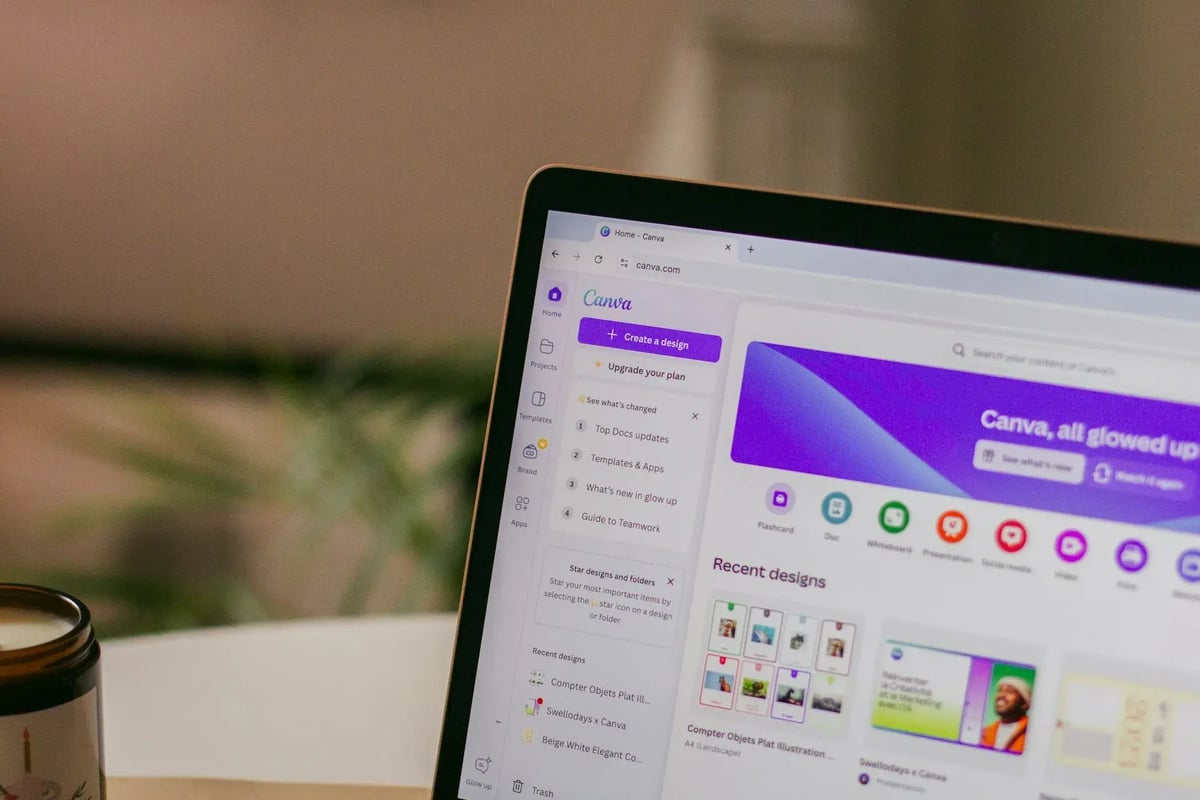
Canva AI 2.0 represents a major shift in how digital products and visual content are created. Instead of starting with a blank page or template, users can now start with an idea and build everything through conversation with the AI.
The platform uses what it calls a design-focused foundation model that understands layout, structure, and visual hierarchy. It can generate fully editable, layered designs from a single prompt, not just static images.
Why Canva AI 2.0 Matters for Vibe Designing
The introduction of Canva AI 2.0 fits directly into the shift towards vibe designing because it supports both creativity and structure and introduces a more conversational way of working where users can:
- Turn ideas into full designs without starting from scratch
- Edit individual elements without breaking the layout
- Maintain brand consistency automatically across outputs
This supports the idea that design is no longer just visual production, but an ongoing interaction between intention and execution.
Key Capabilities That Support Modern Design Workflows
Canva AI 2.0 is built around several features that change how teams work with design:
- Conversational creation where ideas become full designs through dialogue
- Agent-based workflows that handle complex tasks like campaigns or presentations
- Layered editing, so every element stays flexible and adjustable
- Memory-based learning, which adapts to your style over time
It also includes tools like connectors for platforms such as Slack, Google Drive, and Notion, plus scheduling and web research features that support ongoing creative work.
The Impact on UX, CRO, and Digital Products
When you combine vibe designing with tools like Canva AI 2.0, the impact shows up directly in UX and conversion optimization.
Better alignment between intention and execution leads to:
- More consistent user experiences
- Faster testing and iteration cycles
- More personalized and context-aware designs
- Stronger emotional connection with users
This is where design starts influencing performance metrics like CRO, not just aesthetics.
Final Thoughts
Vibe designing is not just another design trend. It reflects a broader shift in how digital products are planned and experienced. Instead of separating creativity from execution, modern tools like Canva AI 2.0 bring them together in one workflow.
The result is a more fluid way of working where ideas move faster from concept to finished product, while still prioritizing meaning, emotion, and user experience.
Overall, the real change is simple: design is no longer just about how things look, but about how they work, feel, and perform together.

Patricia Puig
Product Designer and CRO Strategist at Cyberclick, she has extensive expertise in User Experience (UX) design and the execution of Conversion Rate Optimization (CRO) strategies. Her analytical mindset, coupled with her skills in design and frontend development, enables her to provide a comprehensive perspective on each project. By deeply understanding users and aligning their needs with business goals, she fosters the perfect synergy to drive brand growth.
Leave your comment and join the conversation